
The Ultimate Guide to Setting Up Your Portable EV Charger

How to Set Up Your EV Charging Cable (Step-by-Step Guide for UK Drivers)
Safe, efficient, and simple steps to power your vehicle at home or on the go.
The Pre-Plug Inspection
Before you even touch the car, you must ensure your power source is ready.
- Check the Socket: Ensure your UK 3-pin or Commando socket is in good condition. Look for any signs of "pitting" (brown/black marks) which indicate overheating.
- Verify the Path: Ensure your cable will reach without being taught. Never use a domestic extension lead; they are not rated for the sustained high current an EV draws.
- The "Uncoil" Rule: Always fully uncoil your cable. Coiled cables act like induction heaters and can melt the insulation.
Connection Sequence
To protect the sensitive electronics in both the charger and your car, follow the "Wall-First" rule:

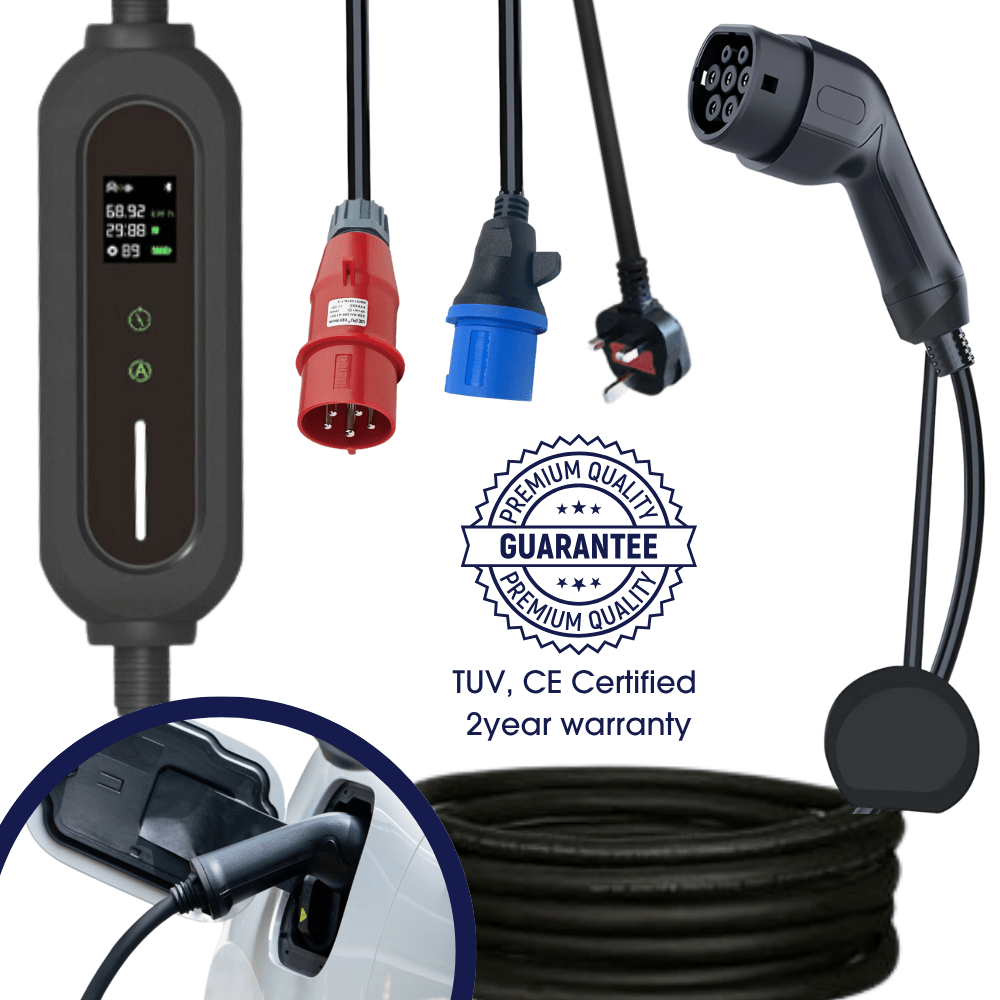
1) Plug into the Wall: Connect the 3-pin or industrial plug to the power source.
2) Wait for the "Self-Check": Most Third Rock chargers have an LCD screen. Wait 3–5 seconds for the "Ready" or "Power" light.

3) Connect to the Car: Firmly push the Type 1 or Type 2 connector into your car's charging port until you hear a "click."
4) Verify the Session: Check the screen to ensure the Amperage (A) and Voltage (V) are working.
Managing Your Charging Session
- Set Your Amps: If your charger is adjustable, match it to your socket’s capability. (e.g., 6A or 10A for standard home sockets to prevent stress on old wiring).
- Scheduled Charging: Use your car’s app or the charger’s "Delay" function to charge during off-peak hours (usually 12am–5am) to save up to 70% on electricity costs.
- Locking Up: Many cars automatically lock the cable in place when the car is locked, but you can also use a simple padlock through the trigger of many Type 1/Type 2 handles for extra security.
Hints, Tips & Expert Advice
💡 Pro Tip: If you are charging in the rain, try to keep the "control box" (the brick) off the ground. Even with IP65 waterproofing, keeping it elevated prevents it from sitting in a puddle, which extends the life of the seals.
- Winter Care: In freezing UK weather, wipe the pins dry before plugging in. Ice buildup can prevent a secure connection and trigger a "Ground Fault" error.
- Storage Matters: When finished, don't just throw the cable in the boot. Use a dedicated carry bag to protect the pins from dust and debris, which can cause "arcing" and damage your car’s port.
- The "Gentle Coil": When packing away, coil the cable in large loops (like a garden hose) rather than tight circles to prevent internal wire fatigue.
Frequently Asked Questions
Can I Leave My EV Cable Plugged In Overnight?
Yes. Modern EVs automatically stop charging once full.
What Current Setting Should I Use?
If using a 13A portable charger, most UK households should use 10A unless you are confident your socket is rated for 13A continuous load.
Do I Plug the Car or Wallbox First?
Either works for most systems, but plugging into the wallbox first is common best practice.
Why Does My EV Lock the Cable?
Most EVs lock the cable during charging for safety and anti-theft purposes.
Is It Safe to Use an Extension Lead?
No. Extension leads are not recommended for EV charging due to overheating risk.
Need a Reliable EV Charging Cable?
Choosing a high-quality cable ensures:
- Safer charging
- Better durability
- Reliable performance
- Proper UK compliance
Browse our range of EV Charging Cables and Portable Chargers designed specifically for UK drivers.
Shop EV Charging Categories
-

13A Portable EV chargers 3kW
13A portable EV chargers are the simplest way to charge your electric...
-

Commercial EV Chargers (plug-in)
⚡ Commercial EV Chargers with Commando Plugs | Fast, Safe Charging for...
-
Type 2 Portable EV Chargers
Portable Electric Vehicle (EV) chargers are an essential part of any EV...
-

All EV charging products
See our full range of plug in EV chargers, EV charging cables...


